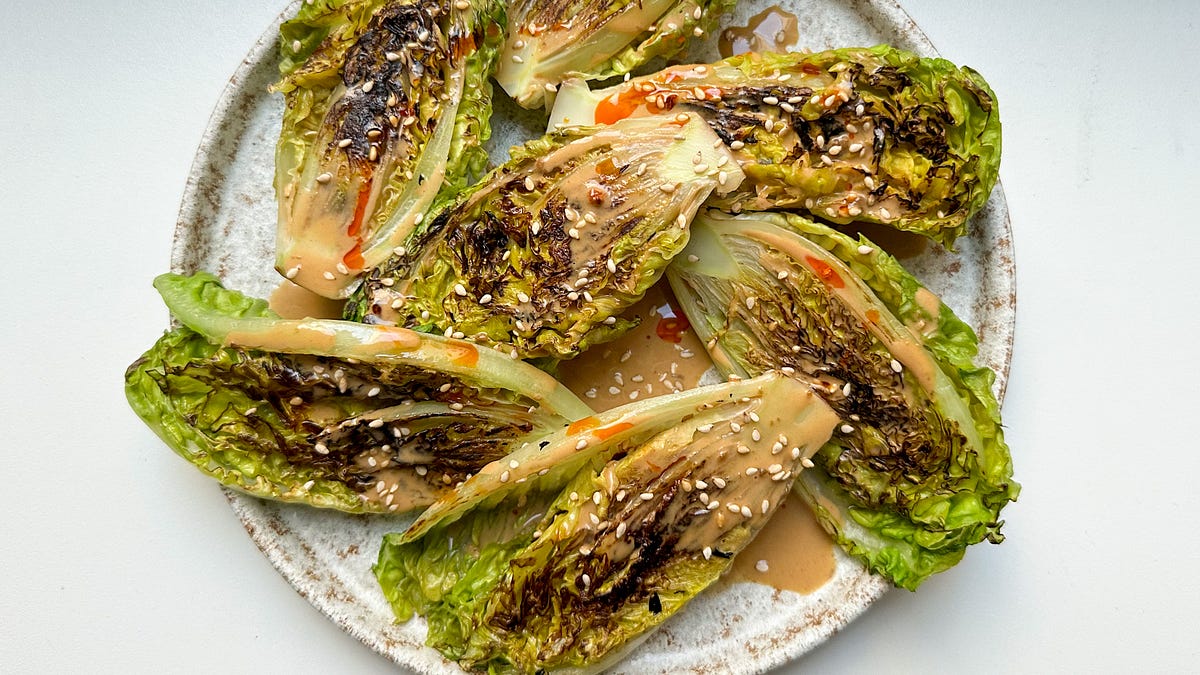
Unlock Crisp Romaine: The Secret to Perfect Salad Cuts
Romaine lettuce, with its vibrant green leaves and satisfying crunch, stands as a cornerstone in the world of salads. From the timeless Caesar to modern grain bowls and even unexpected stir-fries, its versatility is unmatched. Yet, the true potential of this leafy green is often overlooked, residing not just in its flavor, but in how it’s prepared. Mastering Easy Romaine Prep: Get Crispy Lettuce for Salads Fast can transform your dishes, and it all starts with the cut. Discovering the fastest easiest way to cut romaine for salads is more than a kitchen shortcut; it's a gateway to an elevated dining experience, impacting everything from texture to freshness.
Many home cooks simply tear or roughly chop their romaine, missing out on crucial benefits. But with a specific, thoughtful approach, you can unlock a superior salad base that is consistently crisp, clean, and perfectly bite-sized. This method isn't just about efficiency; it's about culinary precision that enhances every forkful.
Why Your Romaine Cutting Method Matters
The way you slice your romaine lettuce isn't merely cosmetic; it directly influences the overall quality of your salad. A well-executed cut preserves the structural integrity of the leaves, ensuring that each piece retains its natural crispness. Think about the satisfying snap of a well-prepared Romaine rib versus a limp, bruised leaf – that difference often stems from the cutting technique. When leaves are torn haphazardly or chopped without regard for their structure, cell walls can rupture unevenly, leading to quicker wilting and a less appealing texture.
Furthermore, this meticulous approach to cutting ensures an even distribution of the Romaine's most prized asset: its crisp ribs. These ribs are packed with flavor and provide that signature crunch we all love. Without a deliberate cutting method, you might find all the crunchy bits settled at the bottom of your bowl, leaving the top layers disappointingly soft. A uniform cut guarantees that every bite offers a harmonious blend of tender leaf and crunchy rib, creating a more cohesive and enjoyable salad experience. This attention to detail is what truly differentiates a good salad from a great one.
The Core Technique: Halving for Excellence
The foundation of cutting romaine lettuce for optimal salads lies in a simple yet incredibly effective first step: slicing it lengthwise. This initial cut is where the magic begins, setting the stage for cleaner, crisper, and more evenly distributed pieces. It's truly the fastest easiest way to cut romaine for salads while maintaining quality.
Step 1: Prep & Initial Cut
- Thorough Washing (Pre-Cut): Before you even pick up your knife, give your head of romaine a thorough wash under cool running water. Gently separate any outer leaves and rinse away visible dirt. While some prefer a quick rinse after cutting, a pre-cut wash helps remove surface contaminants and ensures you're working with a clean canvas. After washing, shake off excess water or use a salad spinner to get it as dry as possible.
- The Lengthwise Slice: Place the whole head of romaine on your cutting board. Using a sharp chef's knife, carefully slice the entire head in half lengthwise, right through the core. This is a critical step because it immediately exposes the inner core and the tightly packed inner leaves.
- Why it Works: This lengthwise cut provides immense benefits. Firstly, it significantly reduces leaf shifting, as the core helps hold the structure firmly in place. This stability gives you far more control during subsequent chopping, leading to cleaner, more consistent pieces. Secondly, by exposing the inner "heart" of the romaine, you gain easy access to the densest part of the head, making it simpler to remove the tougher, often bitter, base if desired, ensuring a uniform cut throughout.
Step 2: Cleaning and Inspection
One of the often-overlooked advantages of halving your romaine is the opportunity for superior cleaning and inspection. Romaine's tightly packed layers, especially near the base, are notorious for trapping dirt, grit, and even small insects. Once halved:
- You can easily spread the two halves slightly and rinse the inner surfaces directly under running water, ensuring every nook and cranny is thoroughly cleaned.
- This exposed view also allows you to readily identify and remove any damaged, wilted, or discolored inner leaves that might have been hidden within the whole head. This proactive approach ensures only the freshest, most appealing pieces make it into your salad.
Step 3: Removing the Core (Optional, but Recommended)
After halving, you'll see the core exposed. For an even more refined salad, you can make an angled cut to remove the very base of the core from each half. This eliminates the toughest, often less flavorful, part of the lettuce, contributing to a more tender and enjoyable bite. For very wide heads of romaine, you might even consider cutting each half lengthwise again, creating quarters, before moving to the cross-slicing stage. This further aids in managing the size and stability of your pieces.
Precision Cross-Slicing for Perfect Bites
With your romaine halves prepped and cleaned, the next stage is the crucial cross-slicing. This technique is designed to maximize crunch, distribute texture evenly, and create ideal bite-sized pieces for any salad application.
Step 1: Stabilize the Halves
Take one of your lengthwise-cut romaine halves and place it flat-side down on your cutting board. This creates a stable, non-slip surface, which is paramount for safety and precision. The flat side acts like a natural anchor, preventing the lettuce from rocking or shifting as you cut.
Step 2: The Cross-Rib Cut
Now, using a sharp chef's knife, begin cutting perpendicular to the rib structure, working your way from the core end towards the leafy tip. The key here is consistency in your cuts:
- Consistent Width: Aim for even segments, typically anywhere from ½ inch to 1 inch wide. The exact width can be tailored to your salad style. Smaller, ½-inch cuts are perfect for chopped salads, wraps, or as a base for hearty protein bowls where you want everything uniform. Broader, 1-inch cuts work wonderfully for layered salads, wedge salads, or as a base for a more rustic presentation where larger, distinct pieces are desired.
- Why This Direction?: Slicing across the ribs maintains their length within each piece. This is crucial for texture. When you chop randomly or tear, you often break up the rib structure into smaller, less substantial bits, diminishing that satisfying crunch. Cutting perpendicular ensures that each piece of lettuce retains a portion of the crispy rib and the tender leaf, giving your salad an incredible snap and textural variety that's often lost with other methods. This thoughtful step truly embodies Master Romaine Slicing: Uniform Crunch & Freshness Guaranteed.
- Efficiency and Ease: Because the romaine is already halved and stable, this cross-slicing method flows smoothly and efficiently, making it the fastest easiest way to cut romaine for salads while ensuring professional-looking results.
The Finishing Touches: Maximizing Your Salad Experience
You've meticulously cut your romaine; now, a few final steps will ensure your salad reaches its full potential, delighting both the eye and the palate.
Tossing and Separating
Once all your romaine is cut, transfer the pieces to a large mixing bowl. Gently toss and separate them with your hands. This isn't just for show; it serves several practical purposes:
- Even Distribution: Tossing helps distribute those wonderful crispy ribbed pieces evenly throughout the bowl, preventing them from settling at the bottom. This ensures every scoop of salad gets that coveted mix of tender and crunchy textures.
- Final Inspection: This is your last chance to quickly scan for any tiny remaining core pieces, a stray wilted leaf, or any other bits you might have missed.
- Prepares for Dressing: Separated leaves are much better at catching and holding dressing uniformly, preventing soggy spots and ensuring every piece is lightly coated.
When to Dress
For the crispiest salad experience, always wait until just before serving to add your dressing and other toppings. Dressing prematurely will cause your beautifully cut romaine to wilt rapidly, sacrificing all that hard-earned crispness.
Storage Tips for Longevity
If you're not using all your cut romaine immediately, proper storage is key to maintaining its freshness. Place the cut pieces in an airtight container lined with a paper towel, or in a large sealable bag. The paper towel will absorb excess moisture, which is the enemy of crisp lettuce. Store it in the crisper drawer of your refrigerator, and it should stay fresh and vibrant for 3-5 days, ready for your next culinary creation.
Conclusion
Elevating your salad game is simpler than you might think, and it starts with how you approach your greens. By adopting the method of halving your romaine lengthwise, then precisely slicing it crosswise, you’re not just cutting lettuce – you’re optimizing for texture, cleanliness, and an unparalleled eating experience. This technique, truly the fastest easiest way to cut romaine for salads, yields consistently crisp, perfectly uniform pieces that are a joy to behold and even more delightful to eat. So grab your head of romaine, sharpen your knife, and unlock the secret to a salad that’s not just good, but truly great.
